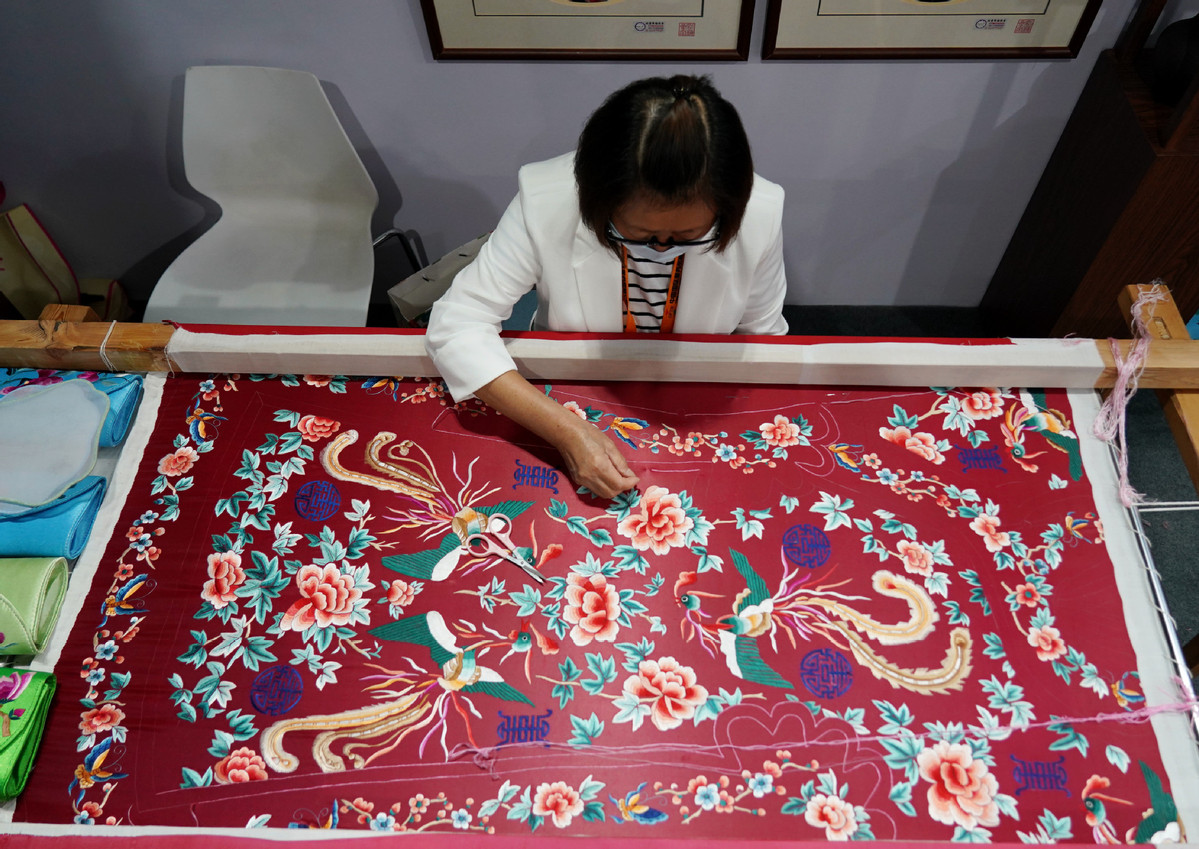
Beijing Embroidery
Introduction
Beijing embroidery, also known as "palace embroidery" or "royal embroidery", is a traditional Chinese art form that has evolved over centuries. Renowned for its intricate designs, luxurious materials, and vibrant colors, Beijing embroidery has been deeply intertwined with the cultural and artistic heritage of China, serving as a symbol of status and wealth. Originating during the Tang Dynasty (618-907), it gained significant prominence during the Ming and Qing dynasties (1368-1911) when it became one of the "Eight Wonders of Yanjing" in the capital city. This art form is especially known for its use of gold and silver threads, genuine jewelry, and its distinctive patterns that were often exclusive to the imperial family. Today, Beijing embroidery is celebrated as a national intangible cultural heritage, and efforts are being made to preserve and modernize this traditional craft to ensure its continued relevance in contemporary times.
History
Beijing embroidery traces its origins back to the Tang Dynasty when it first emerged as a popular decorative art form. Over the centuries, it evolved into a highly esteemed craft, particularly during the Ming and Qing dynasties. During this period, it became synonymous with the imperial court, known as "royal embroidery" due to its exclusive use by the royal family and high-ranking officials. The demand for exquisite embroidery led to the flourishing of workshops and the development of unique techniques and patterns.
The Ming Dynasty marked a significant turning point for Beijing embroidery as it began to be associated with official attire. Symbols and animals were chosen carefully to denote rank and status—birds for civil officers and beasts for military officers.
In modern times, Beijing embroidery has been recognized as a national intangible cultural heritage, with concerted efforts to preserve its traditional techniques while incorporating modern designs to appeal to contemporary audiences.
Techniques
Materials
The materials used in Beijing embroidery are integral to its luxurious and intricate nature. Traditional Beijing embroidery utilizes a variety of high-quality threads, including silk, gold, and silver yarns. Genuine gemstones and pearls are sometimes incorporated into the designs, enhancing the opulence of the finished pieces. The choice of fabric is also crucial, with silk being the most commonly used base due to its smooth texture and ability to hold delicate stitches.
Methods
The methods employed in Beijing embroidery require a high level of skill and precision. The process typically begins with the selection of a design, often inspired by traditional patterns and motifs. The embroidery artist then uses a range of stitches, including satin stitch, split stitch, and seed stitch, to create the desired effect. The work is painstakingly detailed, with each stitch placed with meticulous care to ensure harmony and balance in the overall design. The use of asymmetry is also a notable technique in modern adaptations, adding a contemporary twist to traditional patterns.
Styles and Patterns
The styles and patterns of Beijing embroidery are diverse and rich with cultural symbolism. Traditional motifs often include dragons, phoenixes, peonies, and other auspicious symbols that signify prosperity, loyalty, and longevity. The patterns are characterized by their vivid colors and elaborate detailing, with a strong emphasis on harmony and symmetry. In modern adaptations, new patterns are introduced, such as the inclusion of lilies and other floral designs, reflecting contemporary aesthetic preferences.
Cultural Significance
Beijing embroidery holds profound cultural significance, representing a confluence of art, history, and status. Historically, it served as a marker of social hierarchy, with specific patterns reserved for the imperial family and high-ranking officials. As a form of artistic expression, it embodies traditional Chinese aesthetics and craftsmanship, showcasing the skills and creativity of artisans through the ages. The recognition of Beijing embroidery as a national intangible cultural heritage underscores its importance in China's cultural landscape, highlighting its role in preserving and promoting traditional arts.
Modern Developments
In recent years, there has been a resurgence of interest in Beijing embroidery, driven by efforts to integrate traditional crafts into modern fashion and design. These modern interpretations aim to bring the art form into everyday life, making it accessible and relevant to a broader audience. Exhibitions and collaborations with international fashion shows have also contributed to the global recognition of Beijing embroidery as a unique and valuable cultural heritage.








